
Sweet wine continues.... If you want to know how these wines are made, please go back and read Sweet wines! Sweet life! …… or Please click here to read about the special sweet Pedro Ximénez wines, commonly known as PX wines.
A wine that is sweeter in style through to luscious is a great food wine. They are under appreciated by many wine lovers. Partly, this is due to a wine drinker not quite knowing what to do with this bounty of sweetness. However, do not despair. These sweeter wines are very versatile and some will surprise you with what you can enjoy them with.
Here you can read about just what you should be matching with these sweet wines. And how to serve them to shine their sweetest....
Firstly, here is a reminder of the terms used for the sweetness levels around Europe.

What to drink them with
Sweet wines are very versatile wines. It does depend on how sweet they are though and it depends on the robustness of flavour and the texture of the dish you are matching.
Savoury thoughts …
A medium sweet wine or a French botrytis affected dessert wine can go quite well with savoury dishes if it is a careful pairing. They go very well with the saltiness of blue cheese too. Medium or medium sweet wines also match nicely with white meat or vegetables with a hit of chilli. They have a robust personality that delivers big flavours to match the dish. Plus they have the acid to refresh the palate.
In practice, a medium sweet Alsace white will match a creamy pork dish. A medium white will go with salt and pepper squid, or Thai fish cakes too. A lighter style sweet wine such as Sauternes will match roast poultry too. I have even had an aged Sauternes with roast pork.
Port for instance is robust enough to match richer roasted or grilled red meat dishes. Even roast lamb. Also with ash rind goat’s milk cheeses. Of course, Port is a great match with blue cheese as well. This is something that very much depends on each person’s tastes though.
Whatever your savoury choice though, if it involves blue cheese, you will likely find a sweet wine will be a great match.
The sweet end …
Of course, these wines will match with sweet dishes too. But even here, it is not quite as simple as matching sweet with sweet. What is key to work out here is whether the dish’s intensity or texture matches the wine. A white sweet wine will not match the texure or intensity of a pot of rich, creamy dark chocolate. The dark chocolate’s flavours, and creaminess, require one of the more heavily fortified wines. In particular, Port, PX Sherry or an Australian Muscat. So, let’s break down these sweet things into lighter bodied sweet wines and full bodied sweet wines.
Lighter bodied sweet wines
Including: Botrytis sweet wines, late harvest sweet wines, Ice Wine, Moscato d’Asti. Tokaji, Vin Doux Naturel white wines (Beaumes de Venise, Moscatel de Alejandria), oxidised sweet wines (Vin Santo & some Madeira). Asti Spumante and other sweet sparkling wines.
Lighter bodied sweet wines go sublimely with fruity desserts and pastries. If you are using chocolate, then white chocolate here please. It is ok if a few milk chocolate chips sneak in, of course. Coconut goes well here too.
Examples might be: a cheesecake, white sponge cake, fruit and custard tarts, a fruit salad, citrus and berry flavours. Also a fruit flavoured souffle – lemon or passionfruit.
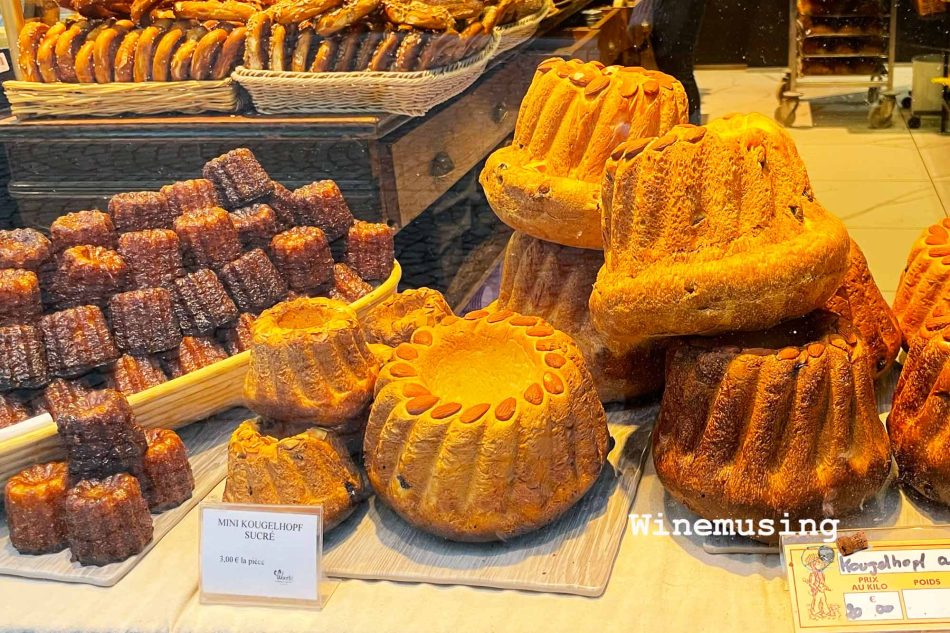
There are some lighter bodied sweet wines that have also gone through a degree of oxidation. For example, Vin Santo is one of these wines. These wines also work immensely well with nutty pastry and dried fruits. That is, after all, the traditional matched for these wines. Vin Santo and cantucci is a great way to finish up a light dinner.
Some of these wines can match an afternoon tea if the right tasty morsels are on offer. Please read ‘Afternoon tea ideas – which wine to serve for tea’? for more.
Fuller bodied sweet wines
Including: LBV & Vintage Port, Fortified Muscat or Muscadelle (Topaque) done Rutherglen style, some Madeiras, PX Sherry.
These are the stickiest wines around. If the famous Australian Botrytis Semillon, the revered De Bortoli Noble One, is unofficially classified as ‘sticky’, then by comparison these must be ultra-sticky. Or the stickiest of stickies.
These are all robustly flavoured and some may have residual sugar levels at the time of bottling as high as 350 g/l! Some PX Sherries such as those from Lustau reach higher than 410 grams per litre! For comparison, some Sauternes have levels around 120 g/l. This means they tend to be full bodied. Some of these very sweet offerings also tend to be unctuous and richly textured. They need high acids to keep them fresh.

So, what do this match with? Similarly robust flavours and textures. Such as creamy caramels, toffee, rich chocolate, toasted nuts, lots of dried fruits. Don’t forget, dishes rich with spices such as nutmeg, cinnamon, vanilla and wattleseed.
Examples might be: chocolate fudge cake, a dark chocolate fondant, caramel cheesecake, sticky toffee or date pudding, Christmas pudding.
You could pour a fortified Rutherglen Muscat or Topaque over ice-cream as a syrup if you wish. (No judging here, but some of us think this might be a waste of such deliciousness. But you do you as the saying goes!)
These wines are also a dessert all by themselves.
For my recommendations and how these very special wines are made, please click on PX wines – for the love of the sweet wines ….
How to serve sweet wine
Still sweet wine
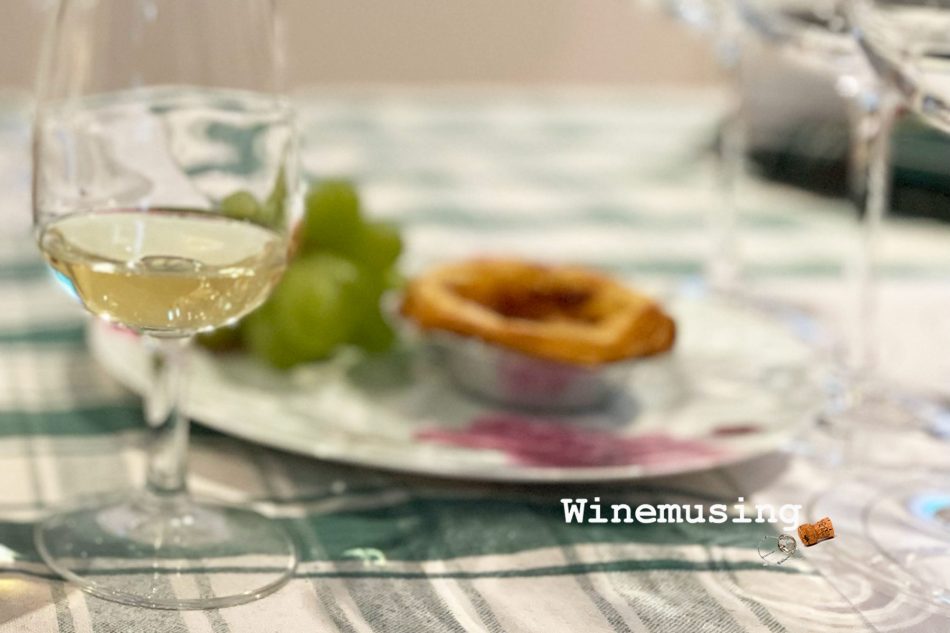
Sweet wines that are not fortified can be served well chilled. By this, I mean between 6oC (42oF) and 8oC (46.5oF) This will keep the acid and the sugar in balance. You might find that over these temperatures the sugar starts to make the wine feel less refreshing. This also means it feels more cloying in your mouth.
A white wine made from Muscat grapes that has been fortified to around 16% ABV can be chilled also. This includes wines that are Vin doux Naturels such as Beaume de Venise and Moscatels. Because they are some of the most intensely sweet and fruity wines, they do well being well chilled.
The best style of glass for these wines are white wines glasses or slightly smaller. This will allow you to swirl the wine and get those aromas lifting out of the glass. And they are not too big a serve. You tend to drink less of these wines as they are so intense and so sweet.
The shorter pours also allow you to keep the wines topped up with chilled wine. This will keep the wine in your glass cooler.
Bubbles
You can serve sweet style bubbles at the same serving temperature of still sweet wines. Hence, between 6oC (42oF) and 8oC (46.5oF). What is different here is the type of glassware that you use.
The lighter bodied sparkling white wines that are sweeter in style may do better in a Champagne flute. For example, a Dulce Asti Spumante or an Australian Moscato. Flutes tend to enhance the acidity of a wine and the freshness. With wine with loads of sugar and/or fruitiness, this acid keeps the wine in balance. And I have also found that with some Asti Spumantes, you really need to keep the bubbles in to keep it refreshing.
A fuller bodied style such as a moelleux Champagne or cremant tastes better in a more open style of wine glass. Likewise, a sweet sparkling wine from outside of Europe. Look for a wider style of flute. A white wine glass with a tulip shape may work if that is what you have. A tight and tall flute tends to suppress the aroma and flavour of these wines.
Other fortified sweet wine
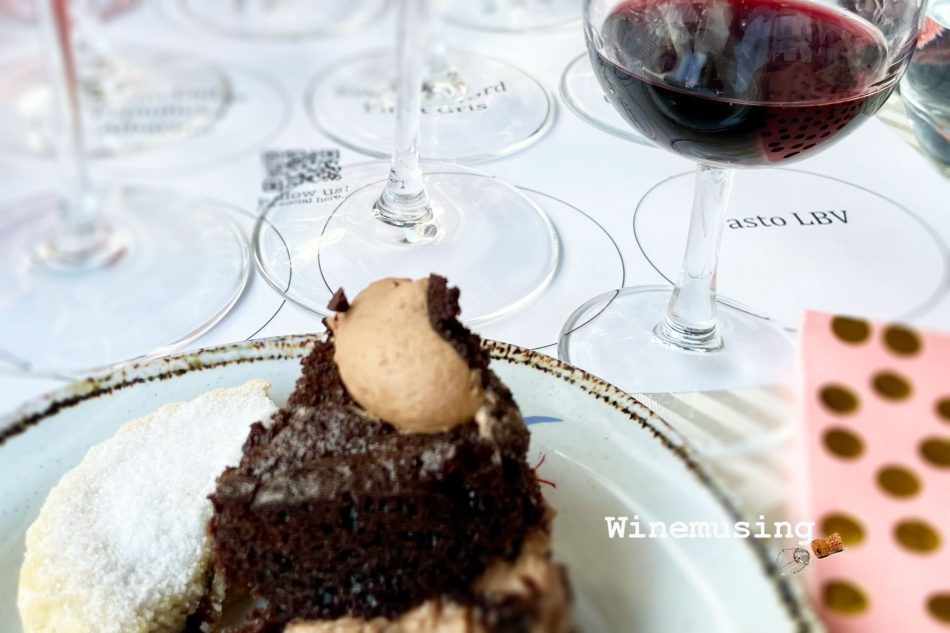
Many well known fortified sweet red wines are better not chilled. Port is a classic example of this category. Here, though, I also include white grape fortified wines which have been deliberately oxidised. Such as Pedro Ximenez (PX) or a Fortified Muscat from the Rutherglen one of the rich, unctuous offerings of the wine world.
As a rule of thumb, these wines are generally better served around 12 - 16oC. I say ‘generally’, because some, such as Tawny Port, can be a tad more chilled as an aperitif.
As far as glassware, a white wine glass will be useful here. Because, again, the serves are going to be smaller due to the intensity of the wine. And the high alcohol!
However, don’t worry too much about whether it is a white or red size glass. Either will be better than a teeny tiny glass that was once used. These will not allow these special sweet wines to fully express themselves.
Just a warning though, don’t be tempted to pour too much into the glass if you are watching your alcohol intake!
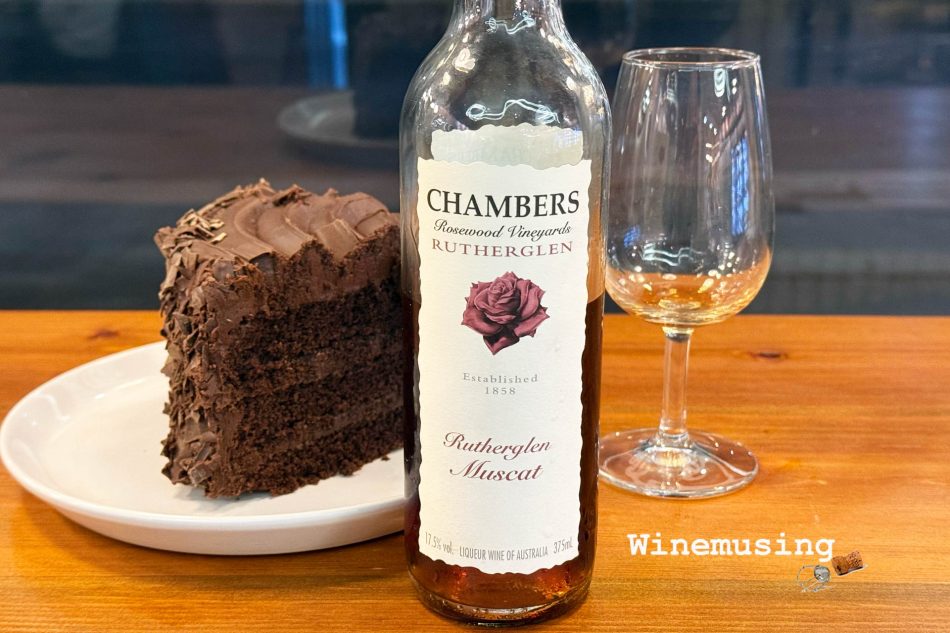
Whether you are a fan of medium sweet whites or the stickiest of stickies, there really is a great deal of variety to choose from. At my tastings I often hear someone say, ‘Oh, I never really like sweet wines but this is so good!’. The main reason I think people have such a low expectation of these wines is because they have not got to try them with food. And maybe, just maybe, those wine lovers have not yet met ‘the right one’. With the right food, these wines win hearts!
Coming soon is some sweet wine recommendations so that you can explore to your heart’s content.
If you want to know how these wines are made, please go back and read Sweet wines! Sweet life! ……
To read more from winemusing.com, please visit winemusing.subtack.com



0 Comments