

One of the Spanish native white grape trio that contributes to the blend used for Spain’s sparkling wine, Cava, is the grape Macabeo. One of Spain’s popular, and versatile, white grape varieties which has also found a home in Southern France. In the premium wine region of Rioja, a region winelovers know better for Spain’s best red wines, Macabeo has another name. There it is also known as Viura. It is in this region, with access to fruit from older vines, that the grape can produce some of its finest expressions.
Rioja Blanco
Since 2007, the Consejo Regulador has allowed non-native grapes such as Sauvignon Blanc and Chardonnay in white Rioja blends as minor varieties in the blend. However, neither of these grapes (individually or even together) can be used for more than 49% of the blend.
The Consejo has been making changes to the region’s laws to revitalise interest in the wines of Spain’s most prestigious region. In 2018, the regulator also introduced a sparkling category - Espumosos de Calidad de Rioja. This category gives sparkling producers the opportunity to label their wines either as sparkling Rioja or as Cava. Before this, the only option was to label their wine as Cava DO. Note: With the current focus on producing high quality wines under the Cava designation, you will now that both are good choices for the producer.

A decade ago, I would have said that you would have almost needed an insider’s knowledge on where to buy a white Rioja. Unfortunately, I found they were few and far between outside of Spain. And sometimes when you did find a white Rioja, they lacked interest. Or worse, they were out of condition looking tired and old. In 2017, these wines accounted for 7.7% of the wines produced in the region, growing 16% for the year (Consejo Regulador 2017 Annual Report). Today, with the availability of investment for Spanish wine producers, the white wines of Rioja are shining bright.

About Viura
Even better, being able to take advantage of listing varieties on the front label, it is past time for you to get to know this grape in all its guises. The main white grape varieties that are found in Rioja are viura, malvasia de Rioja, garnacha blanca, tempranillo blanco and the region’s oldest white variety, maturana blanca. Viura is the most popular by far accounting for 70.4%. Any of the native white grapes can be used to make Rioja Blanco, and must be dominant in the blend if non-native grapes varieties are used.
Viura is aromatically pretty and fresh with fruity citrus and stonefruit touched with white spicy flowers in its unoaked form. Like the better known international varieties such as chardonnay, viura can be enhanced with judicious barrel fermentation and maturation. These spicy barrel fermented versions have a fleshy nuttiness that rounds out the palate.
Alternatively, the wines can have a long period of contact with the dead yeast cells that have died after fermentation. For more information about dead yeast cells, please read 'What are lees?'
About Rioja Blanco
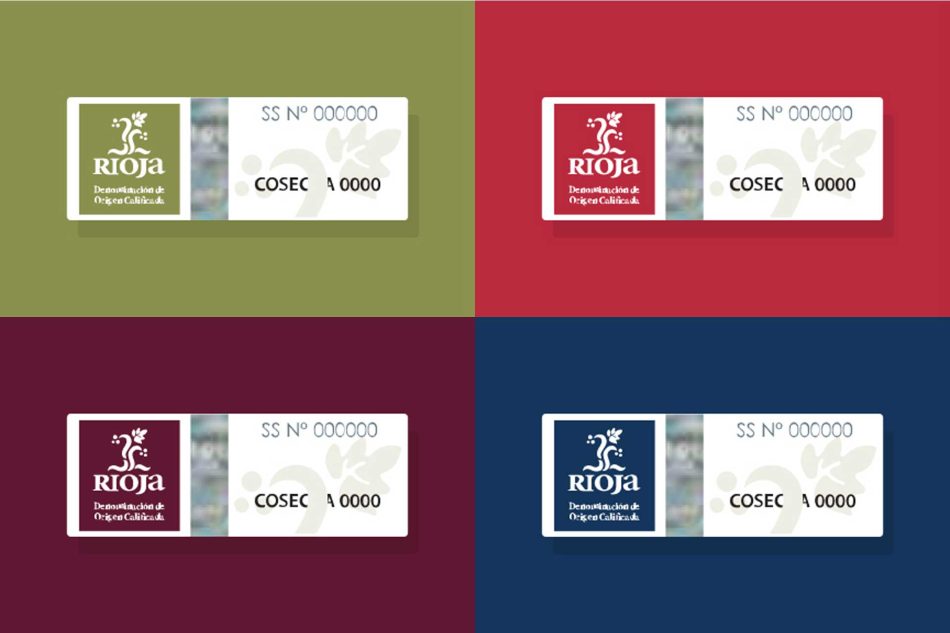
Rioja Blanco wines which often feature Viura range from unoaked to rich and creamy. Don’t forget, though, that there are Rioja sparkling wines as well. Or Espumosos de Calidad de Rioja. All Rioja wines feature a coloured seal on the back of the bottle. This is helpful so that you quickly work out the style of wine you are buying. These are the seals for white wines:
Green (Joven / Generic Rioja) – means that a wine is a young white wine that has been produced to be fresh and fruity in style. These white wines may not have had any oak maturation. However, some may have been matured in oak for a short time. It is best to check on the back label.
Red (Crianza Rioja) – these white wines must have had an ageing period of at least 6 months in barrel. The age of the barrel however may be an older barrel which would mean that it is not as heavily oaked as you might expect. You should expect these wines to still have a youthful vibrant freshness with some creamy texture and some spiciness.
Maroon (Reserva) - Reserva level white wines must have had at least 2 years of ageing of which at least 6 months of that maturation has been in a barrel. These white wines are generally creamier than Crianza white Rioja wines. They may have much more noticeable oak.
Blue (Gran Reserva) – Gran Reserva white wines are exceptional indeed. These white wines must have had at least 4 years of ageing of which at least 6 months of that maturation has been in a barrel. These wines will have a round creamy texture and potentially some honeyed character evolving. These wines are certainly wines well on their journey.
Here are some to start with :
Gomez Cruzado Rioja Blanco 2 ano
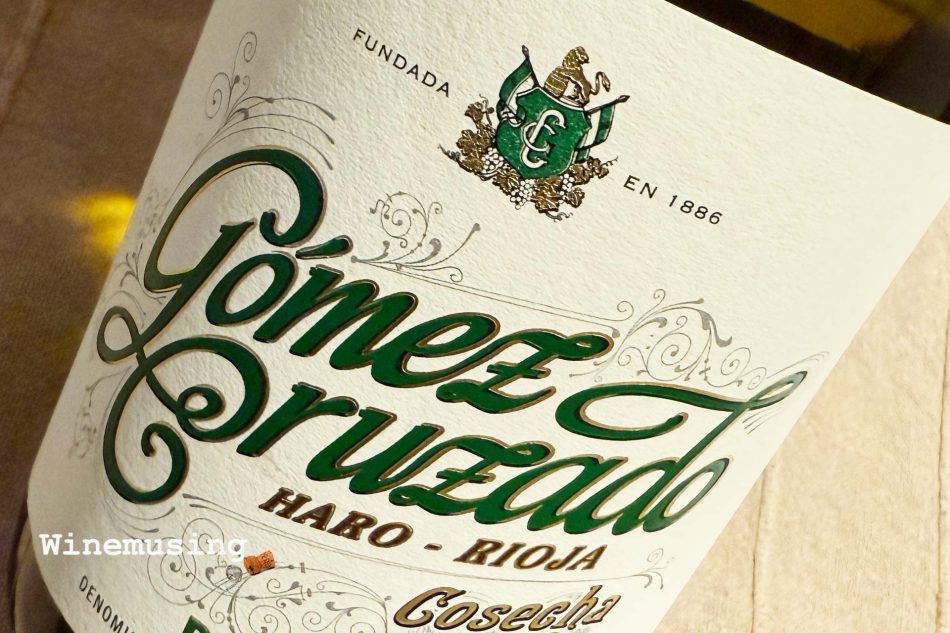
A white blend featuring the white wine star of Rioja, Viura. The Viura is blended with some Tempranillo Blanco and maybe a small portion of Garnacha Blanca. The grapes for this wine grown at high altitudes around Haro, in La Rioja. It is dry and round but still retains its fresh and floral appeal. Lemon accentuates the nose. However, it is the white stonefuit and creamy pastry that lasts and linger on.
Click here to read the full review
Bodega Classica Hacienda Lopez de Haro Blanco
(100% Viura) There is plenty to love in this generous white. The old vine fruit showcases ripe stonefruit with nuances of tropical ripeness and blossom. After barrel ferment, this white has been aged in oak for 3 months. This adds to the weight and adds a soft, spicy cinnamon note to the fruit. There is still a lively vivacity along the silky, slinky palate. It is a good companion for food and will keep the conversation flowing. (UK£11 | US$15)
Senorio de Villarrica Blanco
(70% Viura/30% Malvasia) This blend of viura and malvasia has a savoury fleshiness that sits amongst its bright fruit. This fleshiness is the result of being fermented in barrel (but not matured) giving the wine a cinnamon spiciness that is more apparent on the palate than in the aroma profile. That spice joins ripe white peach, grapefruit and a light herbal twist. A wine this good is easy to enjoy with or without food. (€5.57)
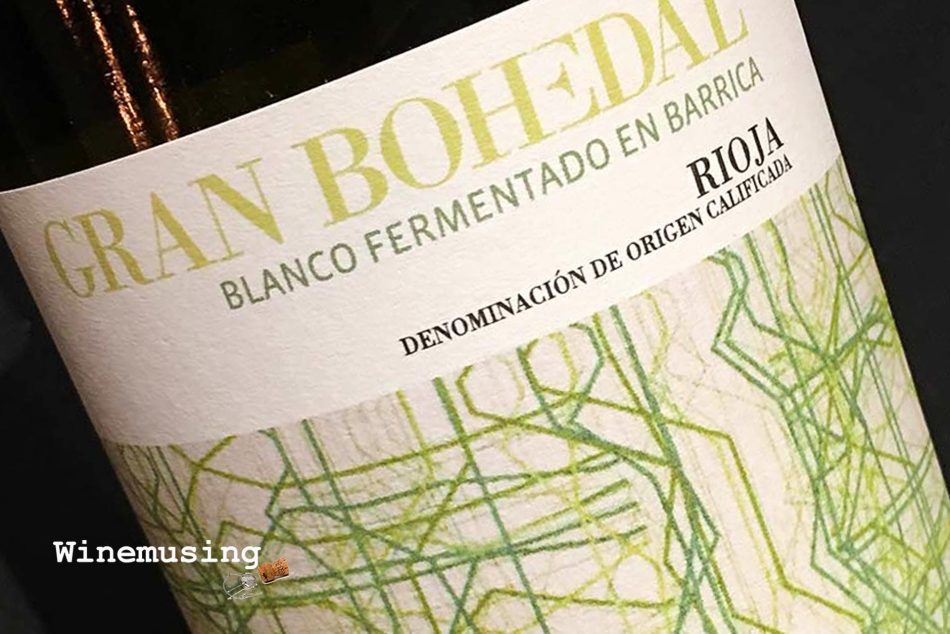
Gran Bohedal Blanco
(100% Viura) A richer style of white Rioja displaying ever-so-ripe orange, lemon, waxed apple and blossom prettiness. A fuller curvy palate that has a honeyed edge to the spicy, lemon and pear fruit. The fruit is bright and evenly textured and the judicious use of oak has added some extra weight in the mouth. (UK £19)
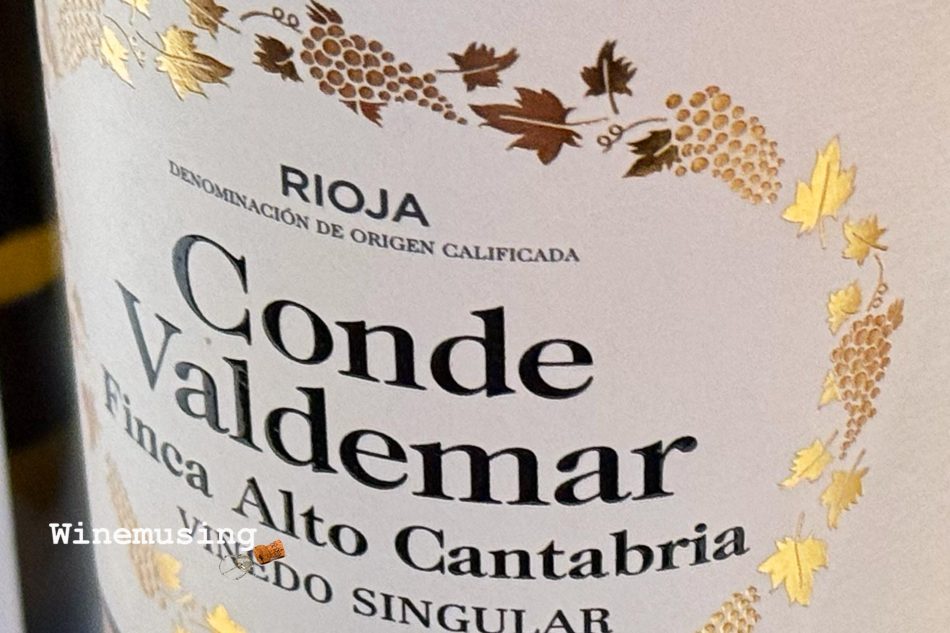
Conde Valdemar Blanco Finca Alto Cantabria
(100% Viura). Viura dominates the Finca Alto Cantabria vineyard but there is also has some tempranillo and its white version, tempranillo blanco. The viura is the main event though. This is a spicy fruity white where the lemon citrus and white peach fruit has a floral perfume. It takes on a honeyed finish on the palate. A fresh flush of acid keeps the wine lively while being backed by the well-balanced oak. This is a wine that will stand up to richer fare at dinner. (UK £26)
Bodegas Ollauri Conde de Los Andes Blanco
(100% Viura) This viura gets the full oak treatment. Meaning barrel ferment with lees stirring over 3 months, and then another 6 months matured in oak. This time in oak has given the wine some golden highlights, and some honey toast. It also adds some almond nougat nuances to the lemon zest, floral and apple fruit. And in the mouth, it takes on a fuller, rounder approach with a creamier, spicier character. It is long and it is lushly curved making it rather hard to resist. (UK £24)
Bodegas Marques de Murrieta Capellania Reserva
(100% Viura). As a Reserva, this white has spent a considerable 15 months maturing in oak after fermenting in stainless steel. It is quite dry on the finish so it really needs to be enjoyed with food. Once you have a plate in front of you, sink in to the waxed, orange peel and juice fruit, enriched with honey blossom. A more traditionally made Spanish white in a bigger, richer style. (UK £85 | US$90)
Click here for five Viuras that I have recommended in the past.
Click here to visit the Rioja website.
Updated February 2025



0 Comments